
30 years on, and India is as complex, chaotic and culturally alluring as ever. It was sensory overload then and possibly more so today.
No photograph, video or personal account will ever prepare you for visiting India.
And more so, if you jet in from the likes of Qatar, just a four-hour flight away, with its ultra-modern, squeaky clean, convenient environment.
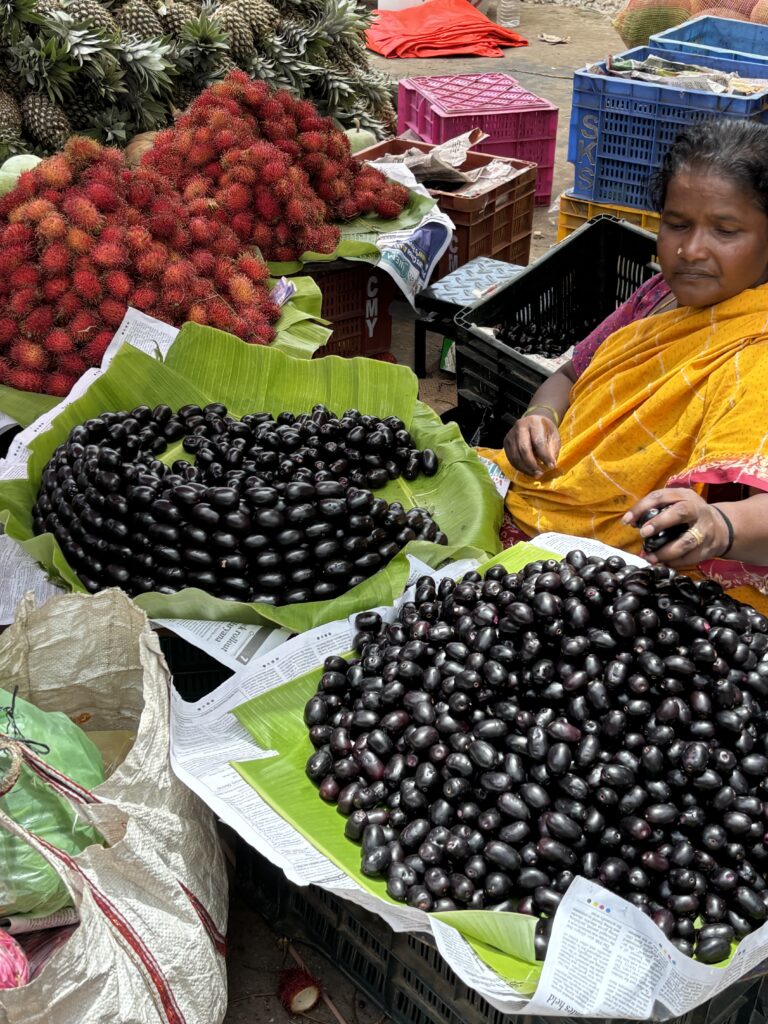
But I will do my best to give you a glimpse of what to expect of India.
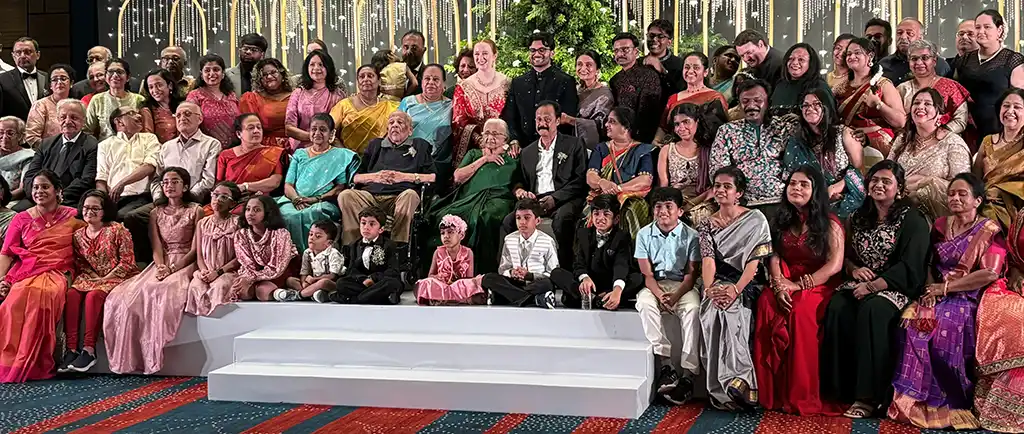
And besides, I have a “big fat Indian wedding” to throw in for good measure.
By way of background, it was “work” that first took me to the world’s most populous country in 1996 when I chaperoned Miss Port Elizabeth, Beverley Strydom, to the “Golden Triangle”. It had been one of her prizes and I was to write about it for La Femme, the Herald newspaper’s weekly supplement.
Now I was back for a four-day foray of pure pleasure in Bangalore, now called Bengaluru.
And to see what might have changed.
In-your-face India
Granted, four days in India is never enough time to pass judgment. But for some, four hours will prove too much.
India is an in-your-face assault on the senses.
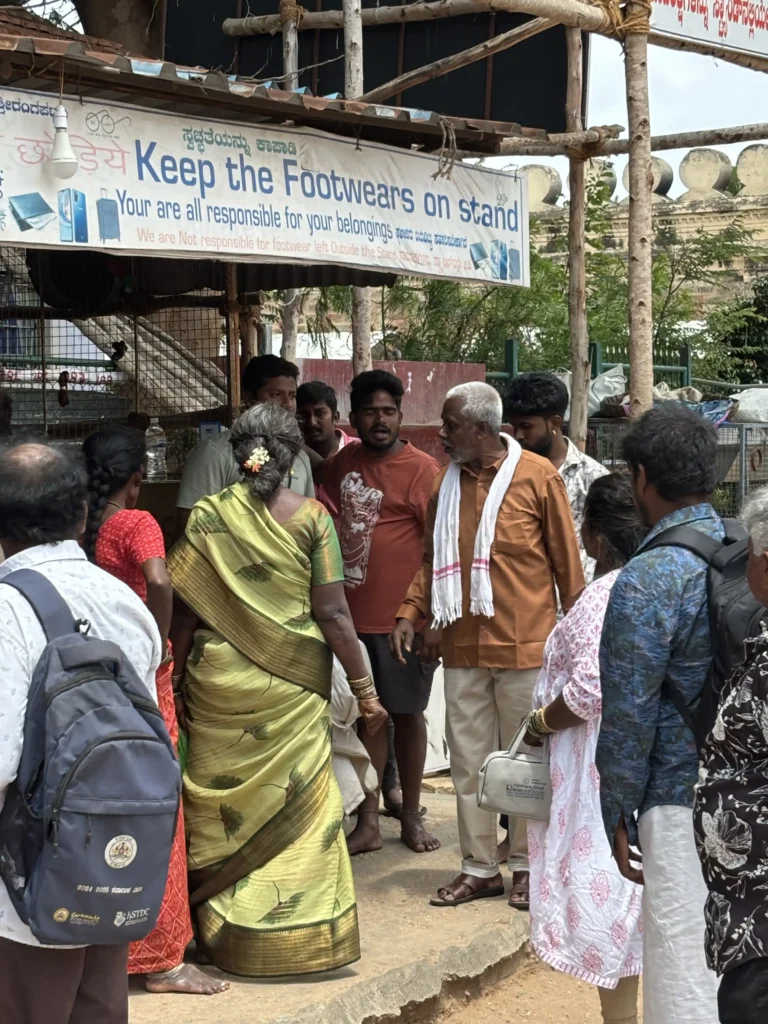
The incessant noise, the strange smells and kaleidoscope of colourful sights, along with the sheer volume of the humanity, can be completely overwhelming.
This is particularly so in Bangalore, which has burgeoned four-fold in the past 30 years as the tech hub of India. It is now home to more than 15 million people.
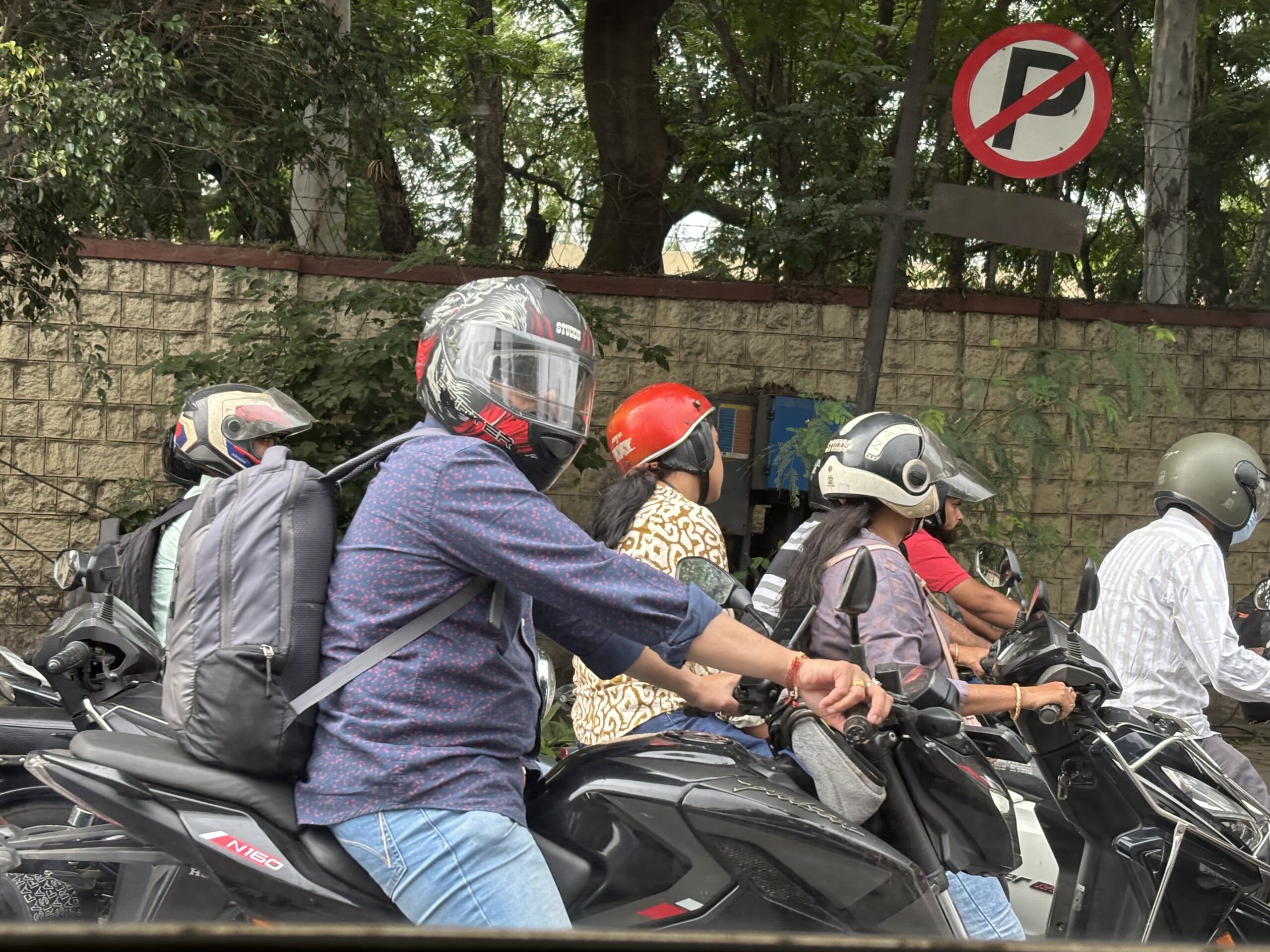
Traffic congestion
The road infrastructure of yesteryear simply cannot adequately support the present traffic volume.
We’re not just considering cars and trucks here.
We’re talking tuk tuks, scooters, motorbikes, bicycles, tractors, horse and carts, carts pushed by pedestrians, cows and brave pedestrians. We even witnessed a man galloping through the traffic on a horse.
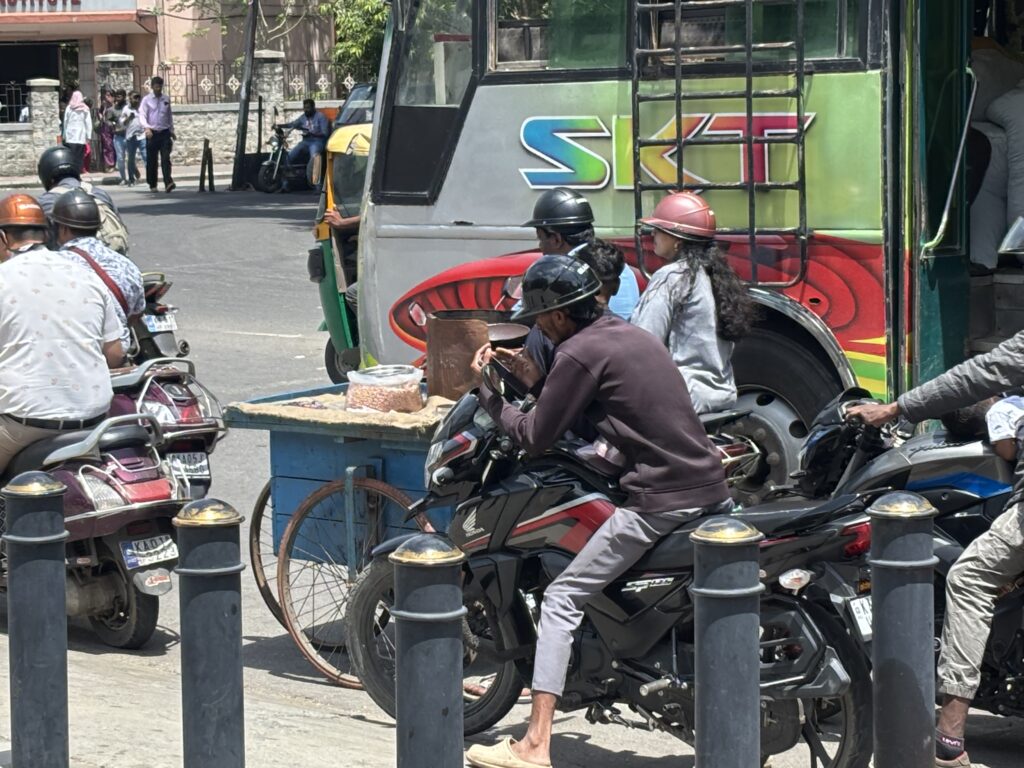
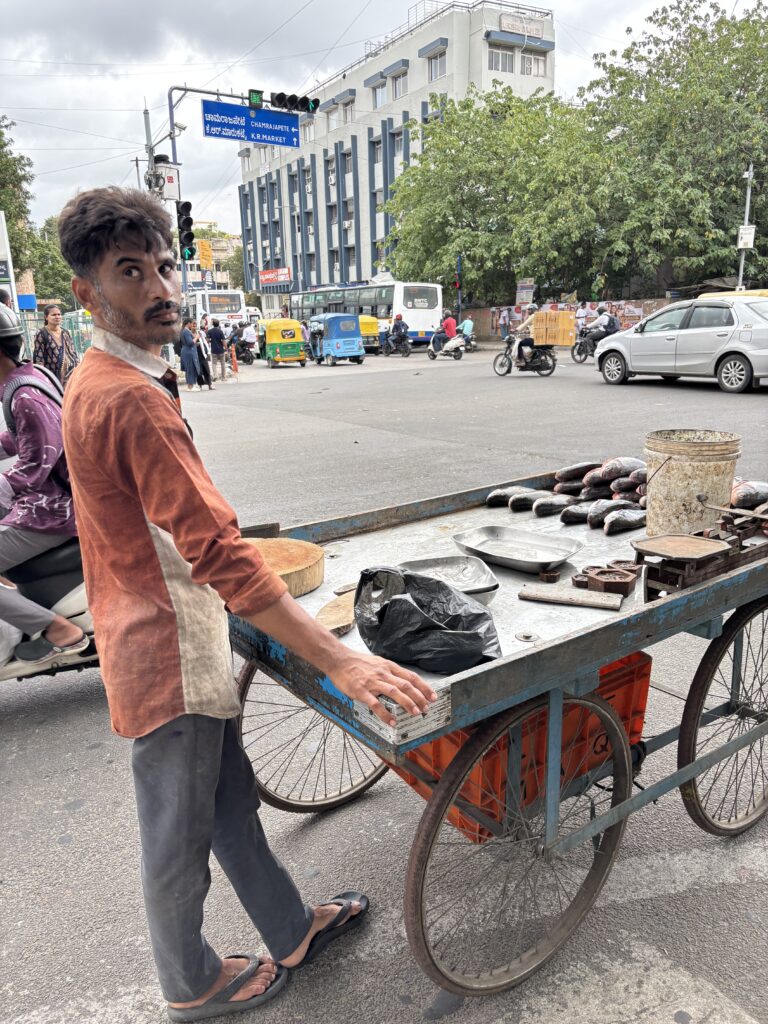
To give you a better sense of the congestion, it took us more than two hours to get to the airport – just 38km away – from our hotel.
And we were involved in a fender bender on the way there. But more of this – and how such incidents are managed – later.
Chaos that works
Amazingly, however, it is traffic chaos that works, thanks to some innate cultural understanding that enables everything to keep moving.
Yes, there are traffic lights and road markings but there’s also some unwritten rule that brings order to the disorder. So, even when vehicles travel on the wrong side of the road, or pedestrians step out into the car carnage, or there’s little left of the tarmac, the traffic keeps flowing.
When I shared this incredulous experiences with an Indian work colleague, he laughed.
“It’s called jugaad – the Indians’ practical work-around to a problem.”
I suppose it’s much like our “boer maak ‘n plan” (the farmer makes a plan) towards finding a solution.
Methinks, however, the authorities must turn a blind eye to much of this illegal behaviour, recognising the self-regulating measures that happen to ensure everyone eventually reaches their destination – even if it is against the traffic!
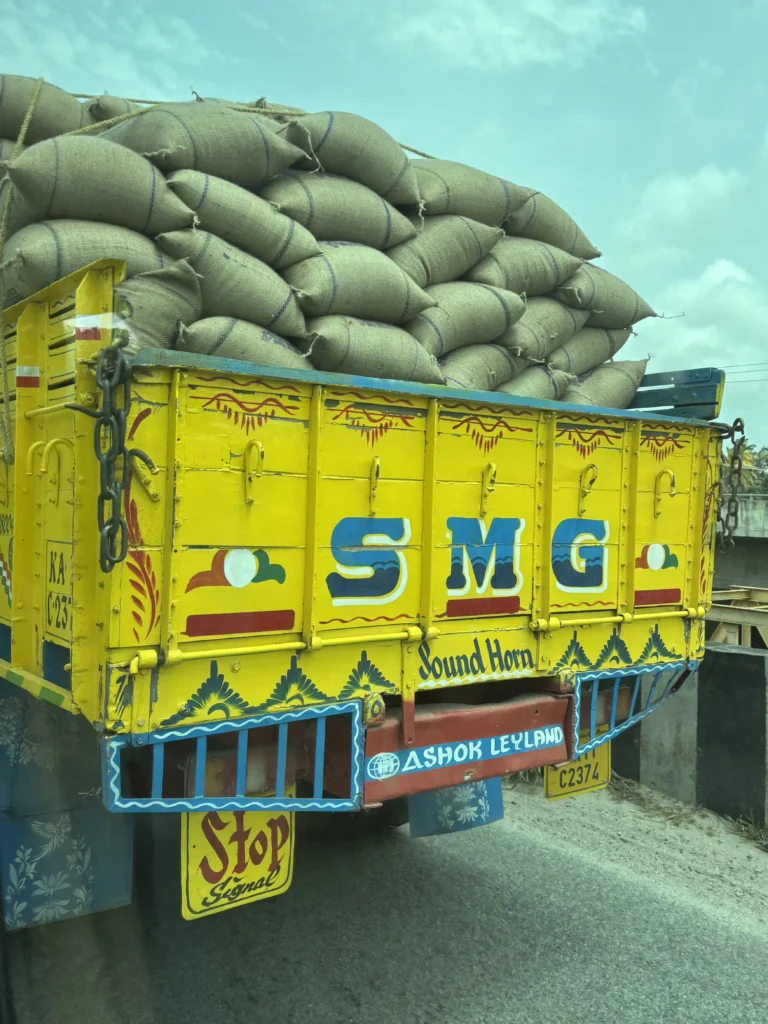
Personally, I was terrified on day one in the traffic. But by day three I had “acclimatized”, acknowledging that India, as an ancient civilization, has managed to navigate itself thus far, and will continue to do so.
Contrasts
India is still a country of great contrasts, where ancient traditions sit alongside modernity, diverse landscapes and a heaving mass of humanity that has over 1200 distinct mother tongues, six major religions, and many, many more indigenous faiths.
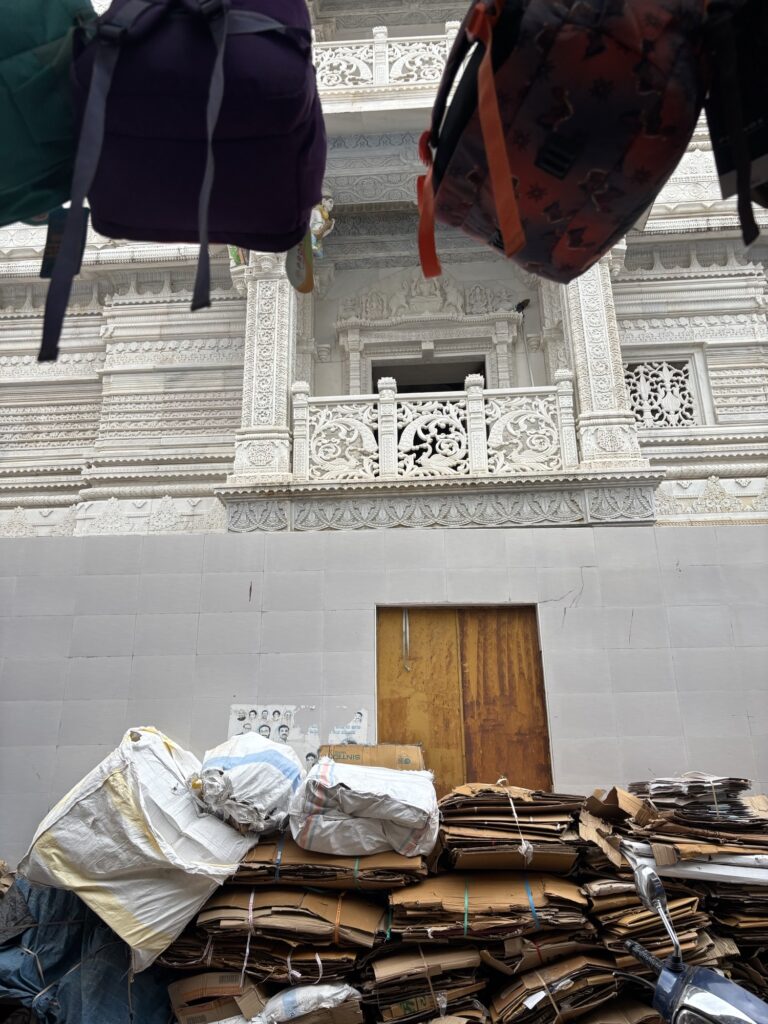
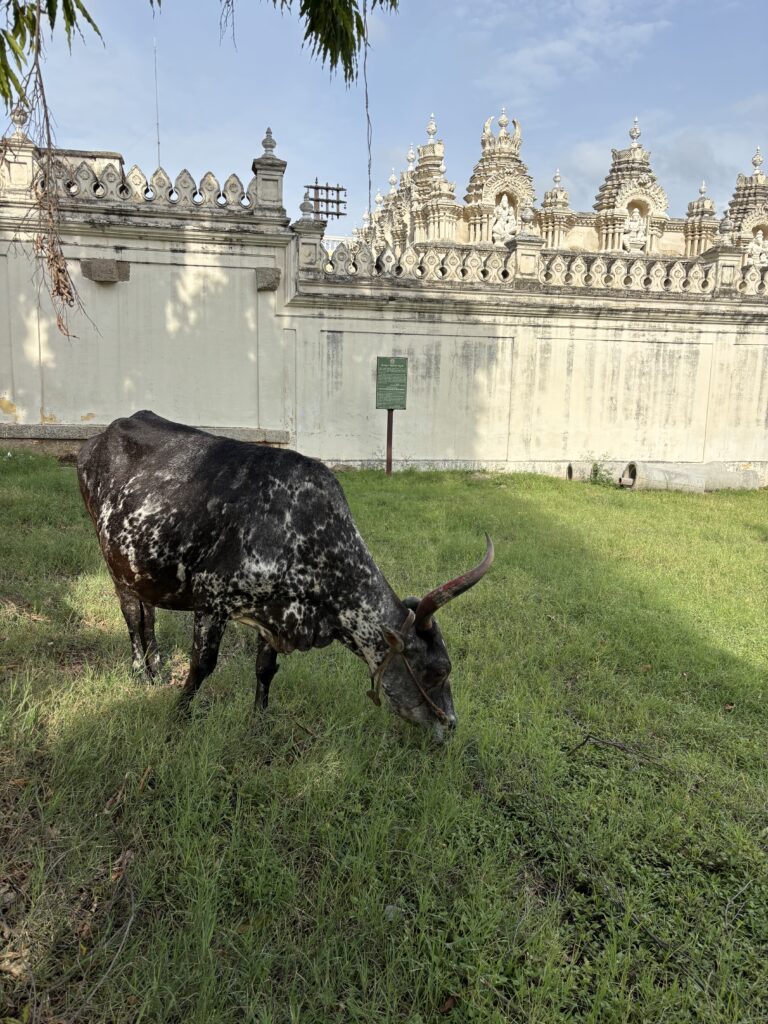
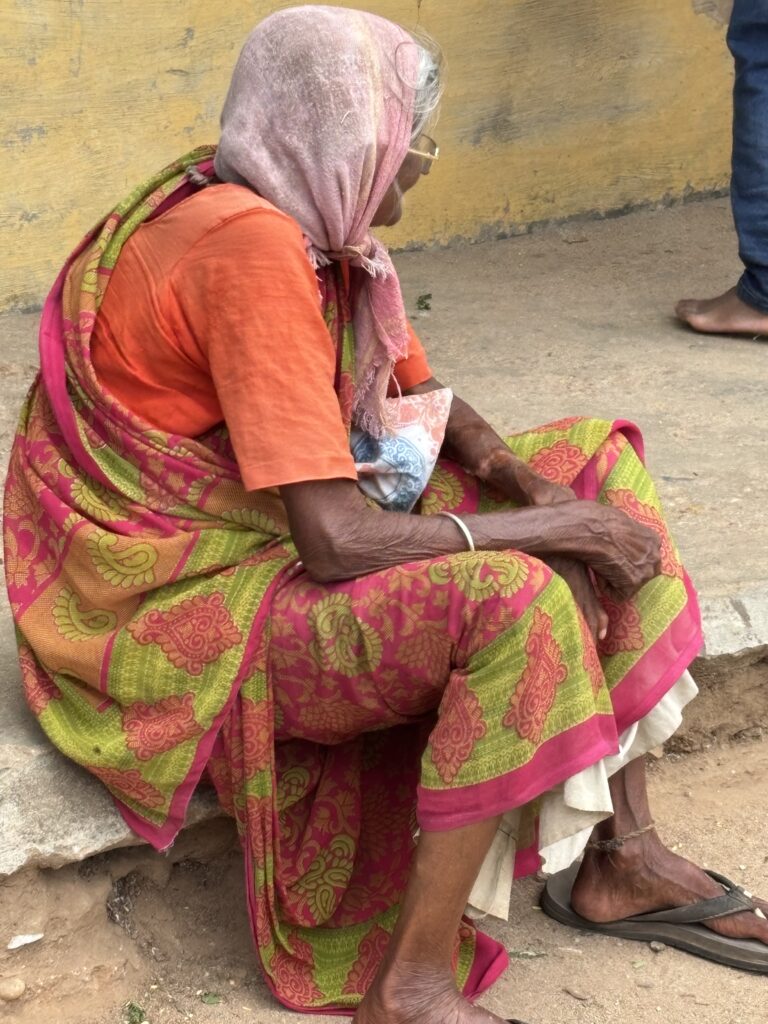
Yes, it is country of extremes – with everything in between.
We also experienced this as we travelled to Mysore – 114km from Bengaluru – a trip that took more than three hours.
En route we visited cafes (no mega petrol stops here), a car museum, an ancient Hindu temple, saw igneous rock outcrops, banana, sugarcane and other plantations and had lunch at a South Indian restaurant.

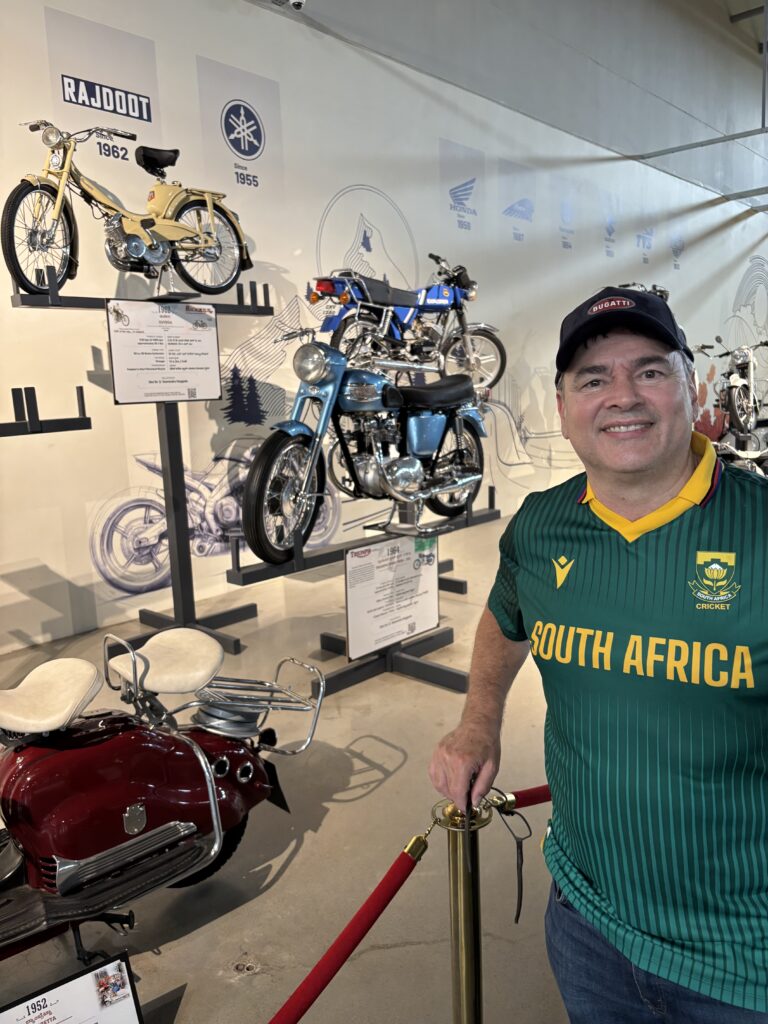
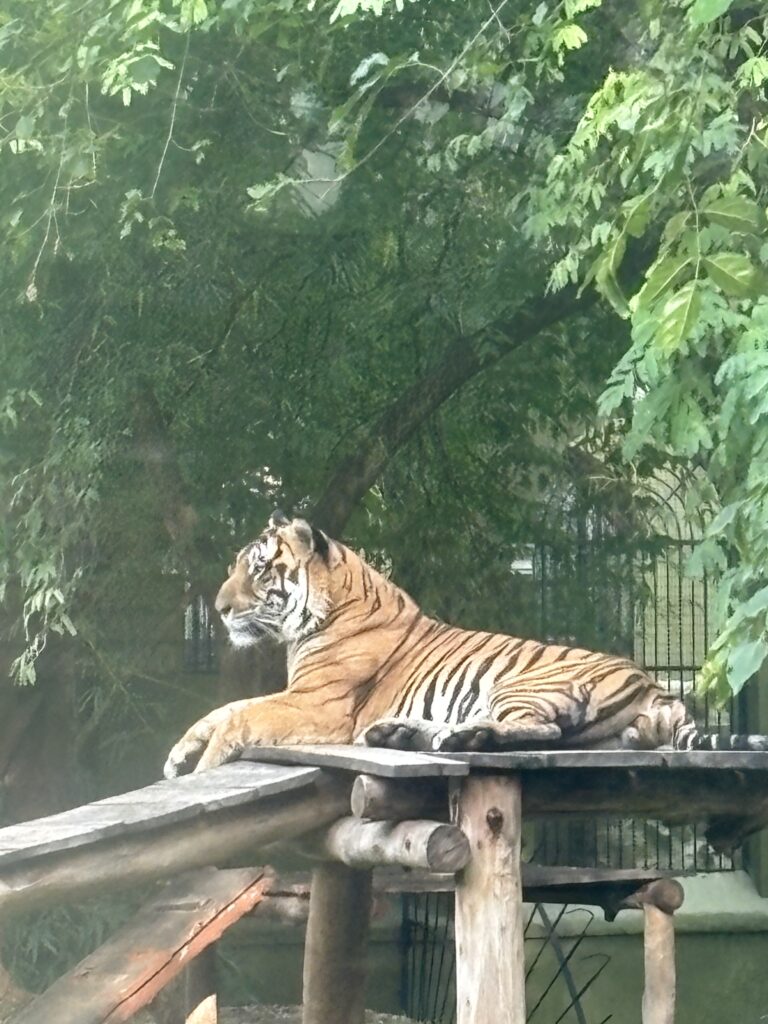
And then there was the royal grandeur of the Mysore Palace, the iconic, opulent residence of the Wadiyar dynasty, followed by a visit to the zoo and the tallest gothic church in India as you will see from the photographs included here.
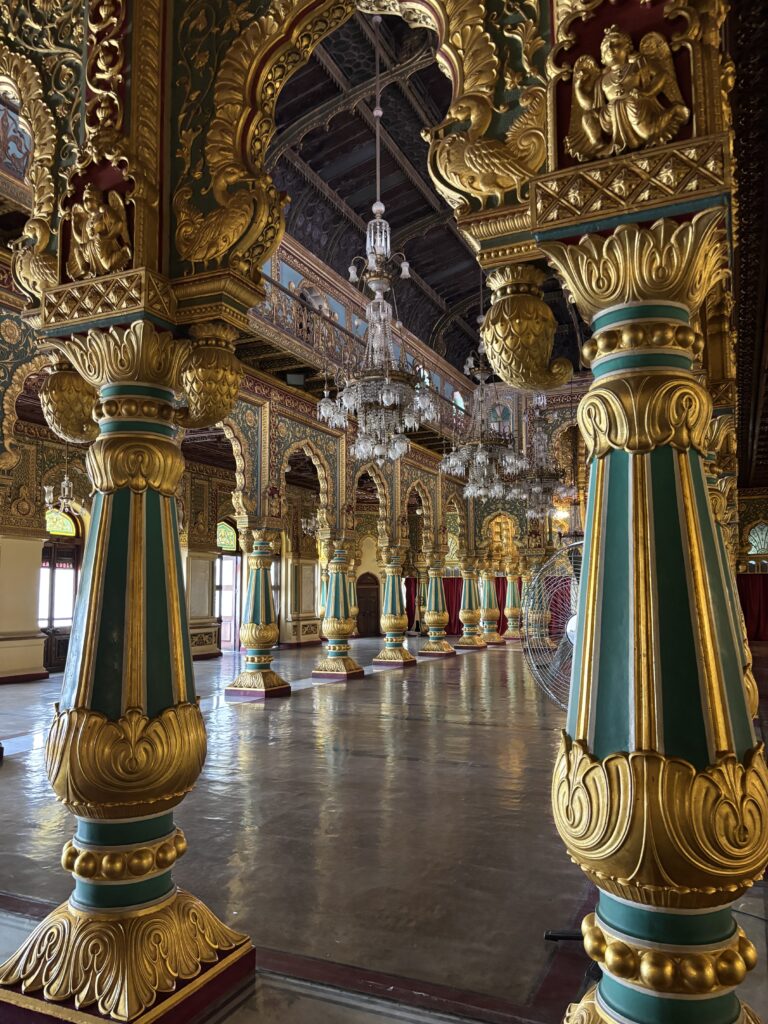
The next day – our last – we went on an organised half-day walking tour with Viatour. While the tour started at 9.30am, it took us an hour and 40 minutes by car to reach the starting point. Thereafter enjoyed visits to temples, a palace, fort and adjacent busy markets with our guide, Vadun, whose knowledge of India, and particularly Bangalore, was exceptional.
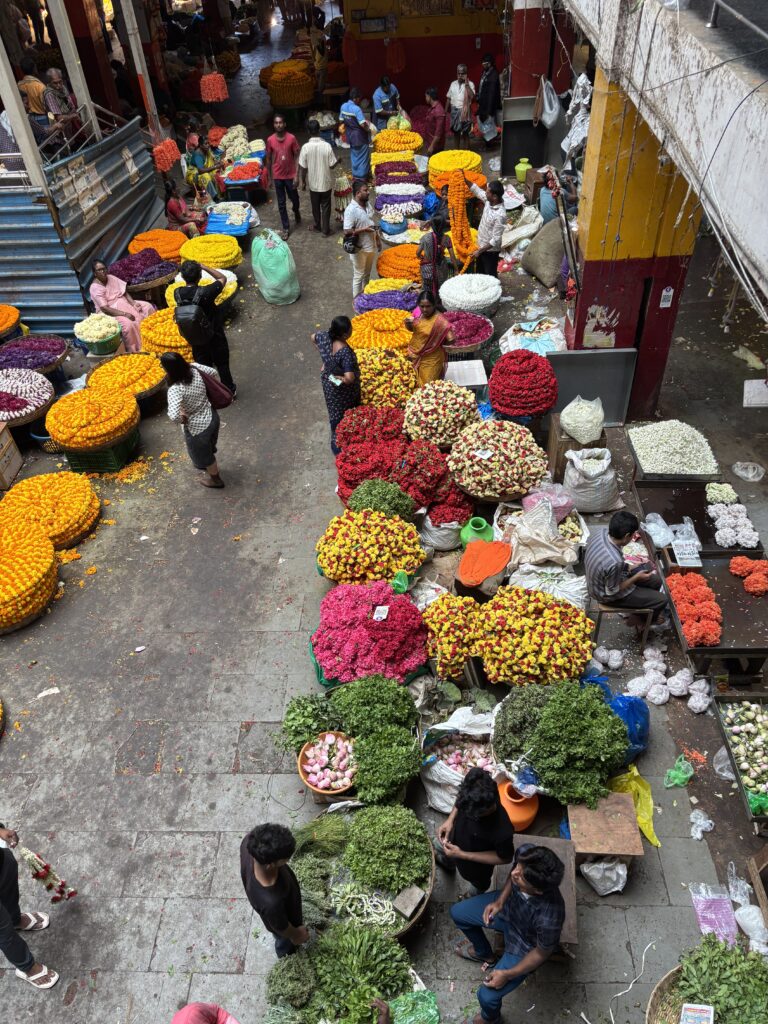
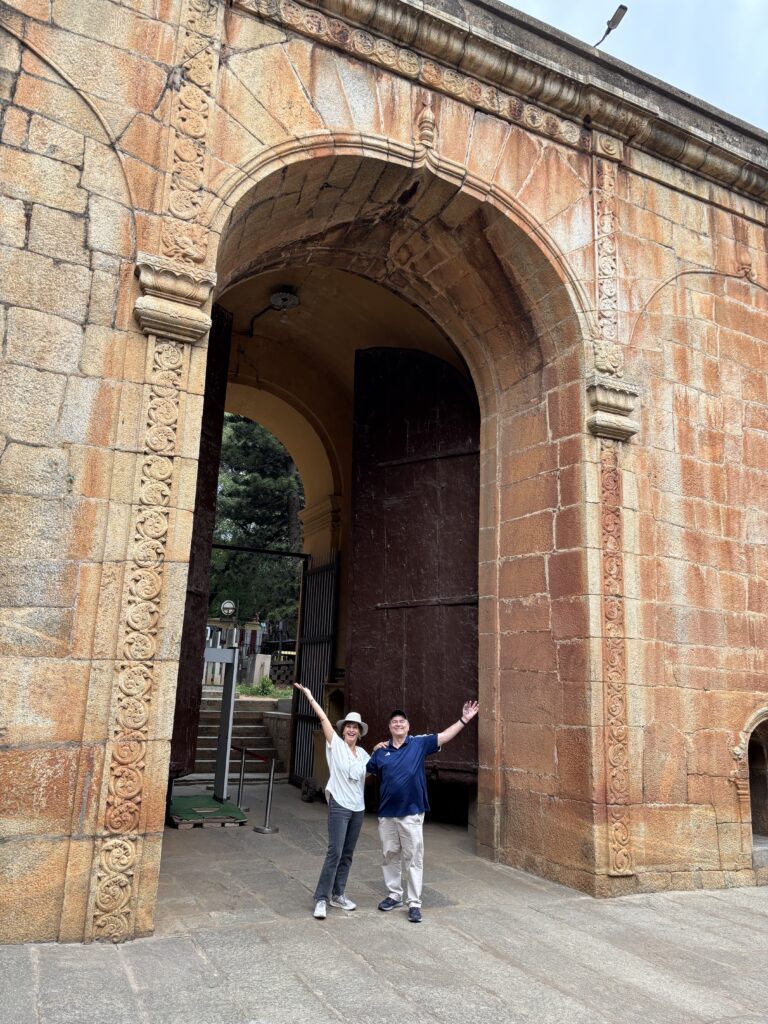
The Indian wedding
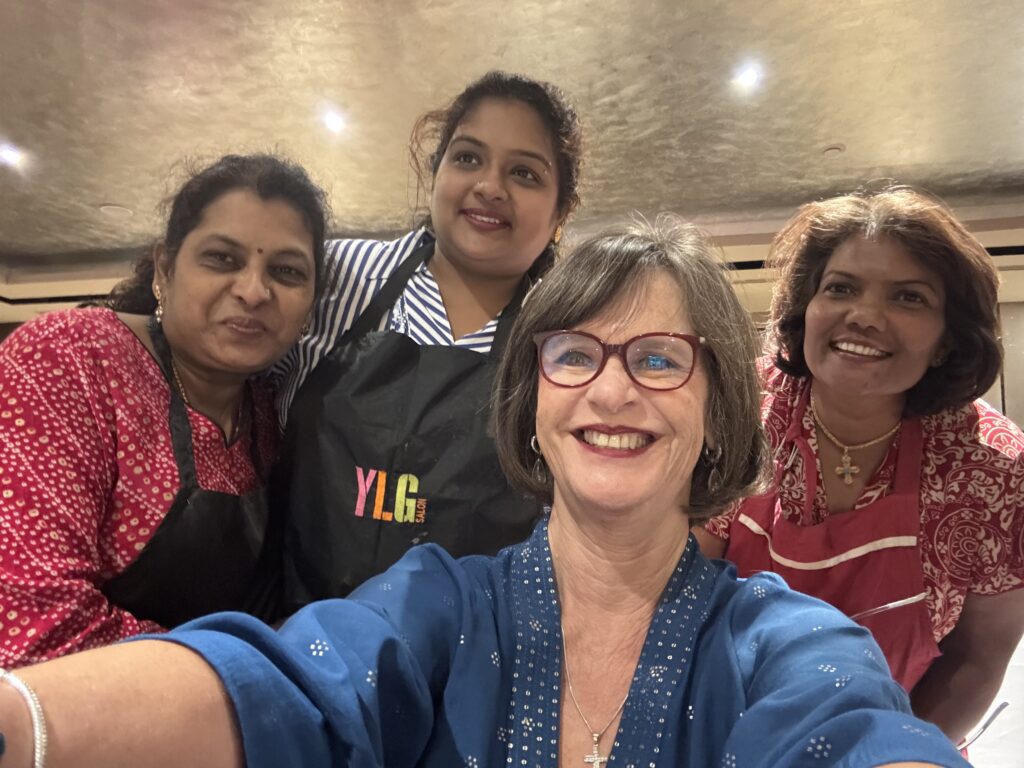
For me, the Indian wedding that took us to Bangalore embodied the best of India for its cultural vibrancy.
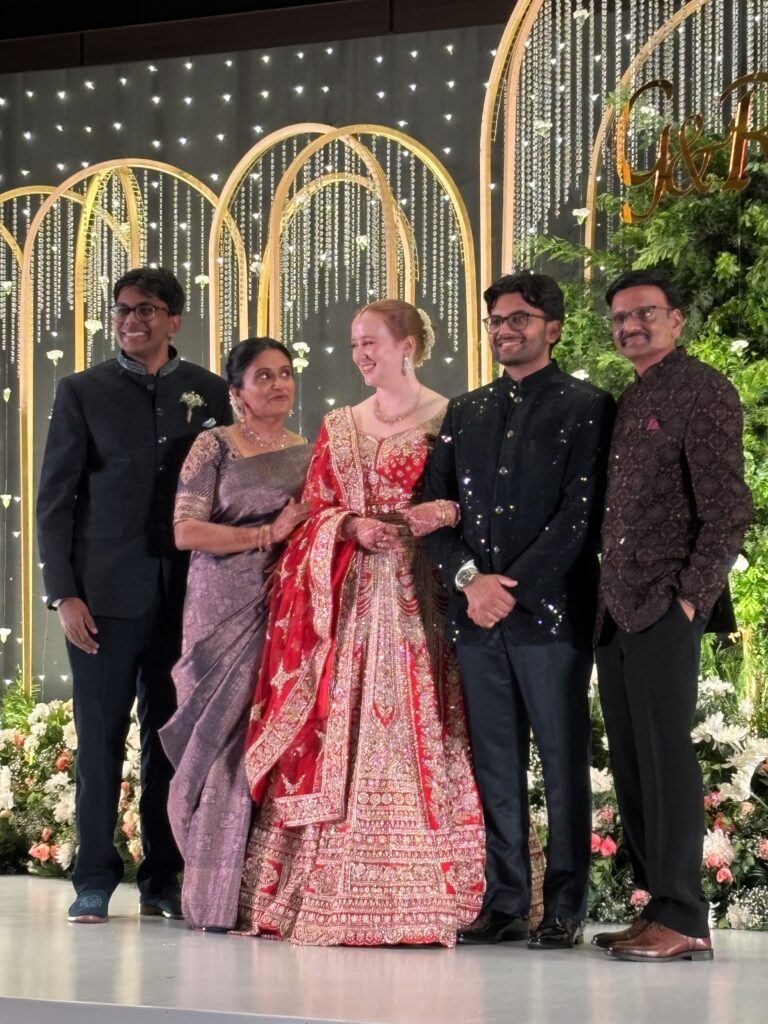
The two-day celebration, which followed the nuptials in the United States a week earlier, was fascinating. From the food to the flora, the dresses to the dancing, and the music to marriage traditions, it was a sensory treat.
The Bollywood vibes came into full view at this “big fat Indian wedding” as family and friends lined up to share their dance routines.
It was delightful with everyone giving of their dancing best, having practiced long and hard for the wedding.


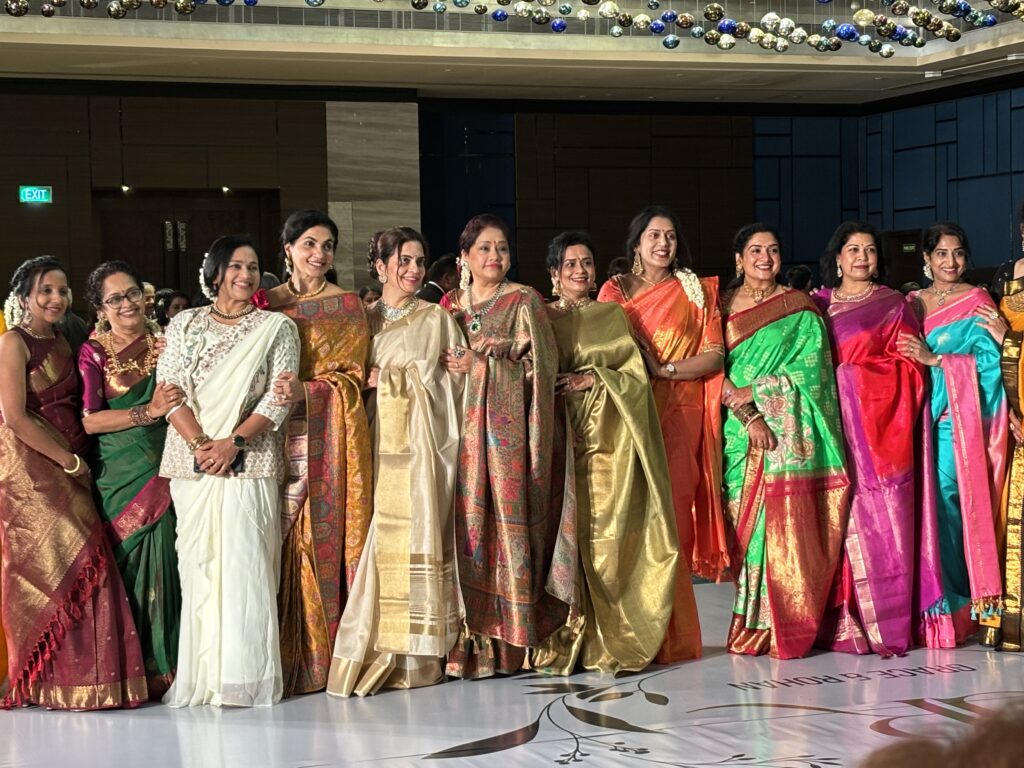
It was the same sparkling affairs with the Qatari weddings I have had the privilege to attend.
The changes in India
So, what has changed?
The poverty that welcomed us first as a stench before disembarking the plane and then in the bodies those rose from the pavements as dawn broke in Mumbai in 1996, appears to have been addressed.
Of course, there is still poverty, but it did not appear as prevalent.
Indeed, rising prosperity is also why there is increased congestion. Today, more people can afford motorbikes, scooters and cars.
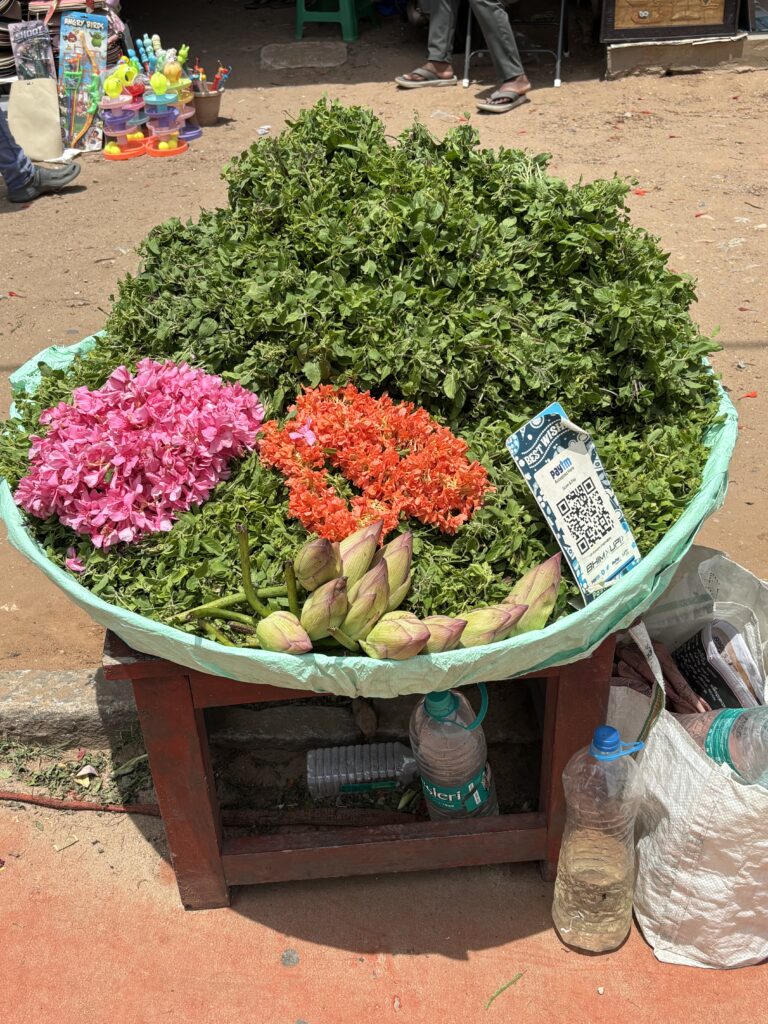
The other big noticeable takeaway is the prevalence of technology. Everyone has a phone (which they casually use while navigating the traffic on their motorbikes) and there are QR codes for every transaction.
Today, India is a global tech powerhouse and is one of the world’s fastest growing economies.
But it’s also the place where disputes are still resolved with lots of gesticulating, followed by a handshake, as we discovered during our airport-bound accident!
India in a betelnut
In short, India is a land of staggering contrasts and vibrant chaos which must mean it is also completely normal to feel both exhausted and exhilarated at the same time.
Thank you, India!
And especially Suresh and Annu for inviting us to your son’s wedding.
Useful information when travelling to India
- You will need to secure an Indian e-Visa online before arrival. It requires plenty of support paperwork so start this process sooner rather than later.
- Travel insurance is highly recommended.
- Never drink water from the tap or choose to have ice cubes in your drink.
- Dress modestly, especially outside the big cites.
- Be prepared to remove your shoes when entering places of worship.
- People stare and unwittingly step into your personal body space, probably because of the crowded conditions.
- Bargaining is expected.
- Keep your valuables in a safe place.
- Have a rain poncho or umbrella. It rains a great deal during monsoon season.
- Cash or card – both work
- 1000 rupees will give you R172 and QAR38 or the equivalent of pastries and coffee for two. In short, more than you might get in your own South African or Qatari currency.

11 Responses
As always – just super Debbie! You in turn have given us a sensory experience par excellence!Thank you- a delicious treat in every way!❤️😁👍🙏❤️😁👍🙏
Thank you Debbie!! Your posts are always inspiring and informative! Enjoyed so much reading about India!
You have enriched us all with your wonderful cultural and travel adventures.
Keep on sharing!
Thank you, Debbie. You always make it so easy to picture everything you talk about. It really feels like we’re there with you.
A wonderful read.
What an amazing experience.
Thank you Debbie for sharing these amazing adventures you are experiencing.
Such an insight to an amazing life you are experiencing, quite envious
Keep them rolling enjoy your stories big hugs bev
Debby, thank you so much for capturing the soul of Bangalore so vividly. Your narrative beautifully weaves together the contrasting rhythms of the city, explaining the chaotic traffic, poverty and affluence and from the timeless charm of its old-school neighborhoods to the vibrant pulse of its modern life. It feels like taking a walk through the very heart of the city. Anything you say about India is correct and also anythings opposite of what you say is also correct. Eg: lndia is a poor country- correct, India is a rich country- correct. As you mentioned, it is a country of contrasts.
Great story Debs! Going to share it with my India-resident friend, Shelley.
So interesting… would love to know if the groom went to Doha College…